
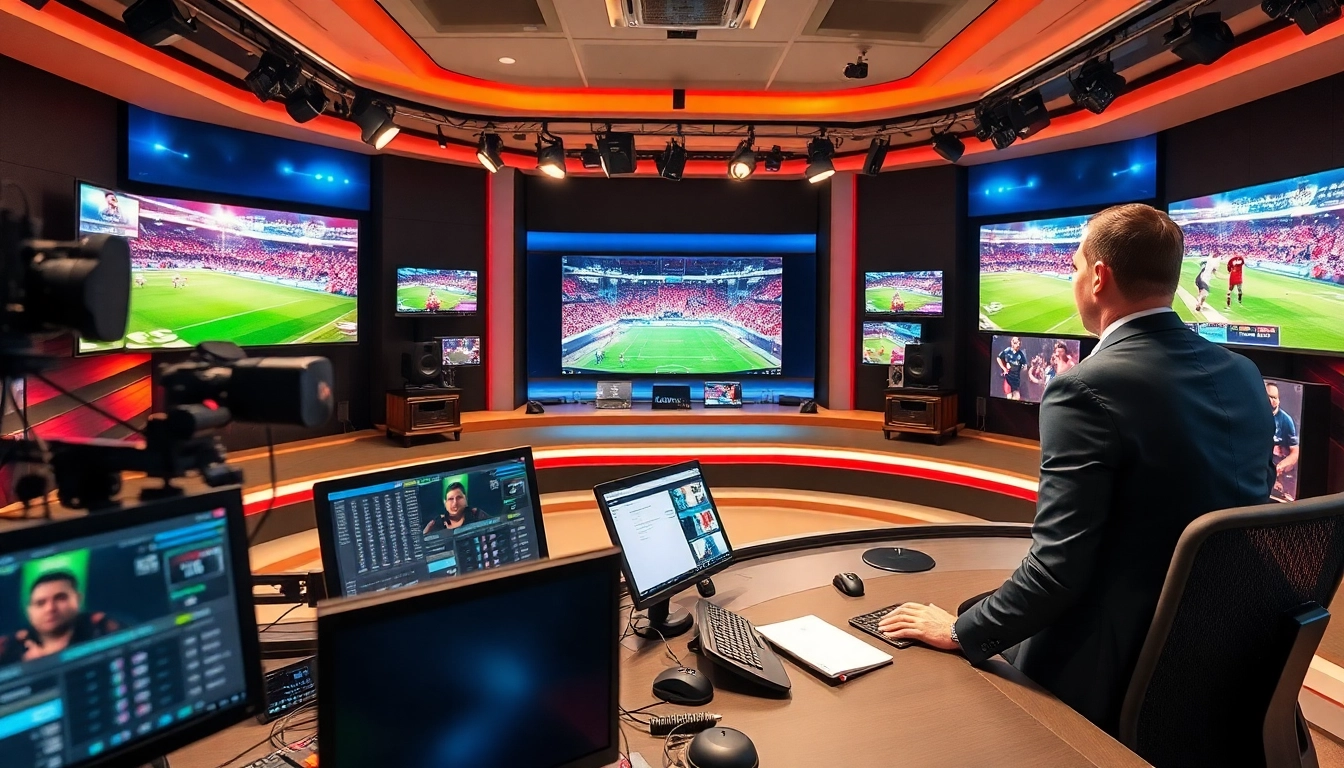
Understanding Sports Broadcasting
What is Sports Broadcasting?
Sports broadcasting refers to the transmission of live or recorded sports events via various media platforms such as television, radio, and the internet. This form of media is crucial in connecting fans with their favorite sports, athletes, and teams, enabling them to experience the excitement of live sports from the comfort of their homes or on the go. By utilizing technologies such as high-definition video, real-time commentary, and social media engagement, sports broadcasting has transformed the way fans consume sports content, creating a more interactive and immersive experience. For an overview of the landscape of sports broadcasting, visit Sports Broadcasting.
The Evolution of Sports Broadcasting
The journey of sports broadcasting has been monumental since its inception in the early 20th century. Initially, radio broadcasts began in the 1920s, allowing fans to listen to live play-by-play commentary of various sports. The 1950s marked a significant turning point with the introduction of television broadcasts, which revolutionized viewership by adding a visual element to sports. With the advent of cable TV in subsequent decades, sports networks proliferated, catering to niche audiences and creating dedicated channels for specific sports.
The digital age brought about another wave of transformation with the rise of the internet and streaming services. Fans began to access games online, sparking a significant shift in how sports are consumed. Mobile technology and social media have further enhanced this experience, allowing for real-time updates, highlights, and interactive engagement. This evolution continues today, with innovations such as virtual reality and augmented reality promising to further revolutionize the sports broadcasting landscape.
Key Terms in Sports Broadcasting
- Play-By-Play: A description of events in real-time, essential for listeners or viewers who want to follow the action closely.
- Color Commentary: Additional insights provided by an expert, often an ex-athlete, which enhance the viewer's understanding.
- Sideline Reporting: Features interviews and commentary that provide context and additional information during the event.
- Broadcast Rights: Legal permissions granting networks the ability to air live events.
- Streaming: The delivery of content (audio or video) over the internet in real-time.
Essential Skills for Sports Broadcasters
Communication Skills
Communication is the cornerstone of effective sports broadcasting. Broadcasters must articulate their thoughts clearly and dynamically to keep the audience engaged. Whether it's through verbal commentary during a live event or written articles and social media posts, clarity, and fluency are paramount. Strong communication facilitates a seamless connection with the audience, helping to convey the nuances of the game, the excitement of the atmosphere, and the emotional narratives behind the athletes and teams.
Additionally, adaptability plays a crucial role in communication. Broadcasters should be prepared to alter their tone and pacing based on the game's flow, ensuring they can respond effectively to unexpected developments during live events.
Technical Proficiency in Broadcasting
In today's environment, technical proficiency has become increasingly important. Sports broadcasters must be familiar with the broadcasting technology and equipment used in the industry. This includes understanding sound and lighting systems, camera operations, and editing software. Furthermore, proficiency in digital platforms and streaming technologies is essential, as many broadcasts now extend to online platforms and mobile apps.
Understanding analytics tools is also vital, as many broadcasters now leverage statistical data and viewer metrics to inform their commentary and engage audiences more effectively. By harnessing technology, sports broadcasters can enhance their storytelling and create richer, more entertaining experiences.
Research and Preparation
Thorough research and preparation are critical components of successful sports broadcasting. Broadcasters need to be well-versed in the teams, players, game history, and even local stories that resonate with the audience. This knowledge enriches the broadcast, providing context and depth that keeps viewers engaged.
Preparation is not limited to the content itself; it also involves practicing the delivery. Broadcasters often rehearse lines, timing, and transitions to ensure they can deliver a seamless broadcast, particularly in fast-paced, high-stakes environments where timing is crucial.
Innovative Techniques in Sports Broadcasting
Using Technology to Enhance Broadcasts
Modern sports broadcasting relies heavily on cutting-edge technology. High-definition and 4K cameras, drone coverage, and multimodal graphics have made broadcasts more visually appealing than ever. Augmented reality graphics can overlay data onto live footage, giving viewers real-time statistics and interactive elements that deepen engagement.
For example, replay technology allows broadcasters to showcase crucial moments from multiple angles, providing insights into plays that may have influenced the outcome of a game. Further, interactive broadcasts invite fans to participate through polling or live questions, allowing them to influence conversations and feel more connected to the event.
Engaging with Audiences Through Social Media
Social media has reshaped audience engagement in sports broadcasting. Broadcasters now utilize platforms like Twitter, Instagram, and TikTok to connect with fans, share behind-the-scenes content, and provide updates in real-time. This engagement extends beyond simple interaction; it allows broadcasters to harness fan-generated content, such as reactions, memes, and commentary. Incorporating this fan element helps create a participatory culture where audiences feel involved in the sports narrative.
Content strategies have evolved as well, with broadcasters being required to produce shareable content that resonates across various social channels, expanding their reach and enhancing visibility.
Incorporating Analytics for Better Insights
Analytics play a crucial role in enhancing the quality of sports broadcasts. By analyzing viewer data, broadcasters can tailor their content to meet audience preferences, improving both engagement and retention. Tools that track viewer interactions, preferences, and feedback enable broadcasters to understand what resonates with fans and deliver content that aligns with those interests.
Furthermore, data analytics can inform the discussion during broadcasts, providing real-time statistics and insights that enrich commentary and enhance the viewer experience.
Challenges Faced in Sports Broadcasting
Adapting to Changing Technologies
The rapid evolution of technology presents significant challenges for sports broadcasters. Keeping pace with new tools and platforms requires ongoing education and adaptation, as technologies such as artificial intelligence, virtual reality, and blockchain continue to reshape the media landscape. Broadcasters must be willing to invest in training and innovation to stay relevant and competitive, often facing the challenge of integrating new technologies rapidly into existing workflows.
Managing Live Event Uncertainties
Live sports events are inherently unpredictable, which presents unique challenges for broadcasters. Unforeseen events such as player injuries, weather interruptions, or technical issues can disrupt broadcasts and require on-the-fly decision-making. Broadcasters need to develop contingency plans to address these uncertainties, ensuring a smooth viewing experience regardless of unexpected hurdles. Quick thinking, flexibility, and problem-solving skills are paramount in such situations, allowing broadcasters to adjust commentary seamlessly and engage the audience throughout the event.
Dealing with Audience Expectations
As audience demands evolve, so too do expectations for sports broadcasters. Fans today anticipate compelling narratives, real-time engagement, and enhanced viewing experiences. Balancing these expectations with logistical realities can be a challenge. Broadcasters must constantly strive to innovate and deliver high-quality content while remaining mindful of budgetary constraints and operational limitations. Understanding audience psychology and preferences, along with continuously seeking feedback, can enable them to fine-tune their offerings and keep audiences satisfied.
Future Trends in Sports Broadcasting
The Rise of Streaming Services
The shift toward streaming services has reshaped the sports broadcasting landscape significantly. Platforms dedicated solely to sports, coupled with traditional networks, are increasingly offering viewers more choices regarding what and how they watch. With subscription models and ad-supported streaming options, broadcasting entities are diversifying their revenues and reaching wider audiences. Live sports are now accessible anywhere, on any device, which empowers consumers to dictate their viewing experiences. As this trend continues, broadcasters may need to adapt their models to compete effectively in an increasingly crowded market.
Integrating Virtual Reality and AI
Virtual reality (VR) and artificial intelligence (AI) are poised to revolutionize sports broadcasting further. VR experiences could soon allow fans to “attend” games virtually, offering immersive experiences that mimic being present at the event. AI can help streamline production tasks, curate content, and offer real-time analysis, enhancing the quality and efficiency of broadcasts. These technologies promise to create innovative ways to engage fans, ultimately transforming their viewing experiences.
Predicting Audience Engagement Patterns
As data analytics continue to develop, broadcasters will have improved capabilities to predict audience engagement patterns. Understanding when and how audiences interact with content will allow for more targeted programming and marketing strategies. By analyzing metrics such as viewer behavior, preferences, and social interactions, broadcasters can create tailored experiences that directly address their audience's desires, fostering loyalty and increasing viewership.
FAQs
What skills are essential for sports broadcasters?
Essential skills include strong communication, technical knowledge of broadcasting equipment, and thorough research and preparation abilities to create engaging content.
How has technology changed sports broadcasting?
Technology has introduced high-definition visuals, real-time analytics, and interactive elements, significantly enhancing viewer engagement and the overall broadcast experience.
What are the challenges faced in sports broadcasting?
Challenges include adapting to new technologies, managing unpredictable live events, and meeting evolving audience expectations while maintaining high-quality content.
What is the future of sports broadcasting?
The future includes increased streaming service popularity, integration of VR and AI, and predictive analytics to enhance audience engagement and tailor sports content effectively.
How important is audience engagement in sports broadcasting?
Audience engagement is crucial as it drives viewership, loyalty, and enhances the overall viewer experience. Broadcasters must proactively seek ways to connect with fans.